


By Sam Uzwack, Head of School
 If you’ve ever worked in a school, you know the work is never just about curriculum or schedules or test scores. It’s about people. It’s about relationships. And it’s about doing right by kids—even when that’s hard.
This year at Eastside Prep, our annual theme is Act Responsibly – Care Through Clarity, and the magazine you’re holding brings that to life under the banner of Kindness, Clarity, and Purpose. These aren’t just buzzwords. They’re deeply interconnected habits of heart and mind. And they’re more necessary than ever.
I’d love to say there was one moment—some lightning bolt—that made me realize we needed to focus on responsible action this year. But the truth is, it’s more like a slow burn. It’s been building over time, rooted in our everyday conversations, challenges, and observations.
What we’ve come to recognize is simple but not easy: being kind requires being clear. And acting responsibly means being purposeful about both.
The Challenge of Speaking Honestly
We live in the Pacific Northwest, and it’s a place where people often value being “nice” above all else. I get it. No one wants to be the one pointing out the broccoli in someone else’s teeth. But the truth is—that’s the kind thing to do.
Being kind doesn’t mean avoiding discomfort. It means leaning into it, with care. It means saying, “Hey, here’s something I noticed,” not to shame someone, but because we want them to grow. And we hope they’ll do the same for us.
In schools, feedback is everywhere. Students get feedback from teachers. Teachers get feedback from leaders. Parents give feedback to schools—and vice versa. We’re swimming in feedback. The question is, are we delivering it in ways that are clear, kind, and purposeful?
Kindness is not Soft
Here’s a mindset shift I had to make years ago—one that’s shaped how I see this work: holding someone accountable is an act of love.
I used to dread the tough conversations, especially when I was a Middle School Head. A student made a poor choice, and I’d be the one sitting across from them, helping them understand the impact of their actions. And it’s tough! You’re looking at this kid who’s basically good-hearted but made a mistake—and you’ve got to help them own it.
Over time, I realized those were the most important moments in my job. I wasn’t there to punish; I was there to help them grow. I was there to say, “You’re still a good person. This doesn’t define you. But you’ve got to take responsibility and learn from this.” It is a privilege to be there at a crucial moment in a young person’s development.
And you know what? Some of the strongest relationships I’ve built with students started in those moments. We cultivated trust through honesty, not avoidance.
The “Warm Demander”
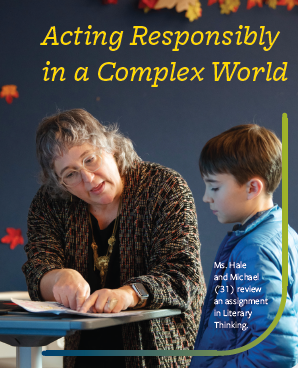
There’s this concept in education called the “warm demander.” It’s someone who’s both caring and direct—who sets high expectations and supports students in reaching them.
Too much warmth without clarity? You’re a pushover. Too much clarity without care? You’re a drill sergeant. But the warm demander says, “I believe in you. I care about you. And I’m not going to let you coast, because I know you’re capable of more.”
That’s what we’re aiming for—not just in classrooms, but across the whole community.
Practicing Responsible Actions in Relationships
This work shows up differently depending on the relationship, but the throughline is always the same: trust + honesty = growth.
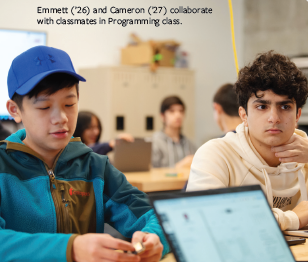
Student to student, it shows up in collaboration. Let’s say you’re working on a group project. Someone throws out an idea that doesn’t quite land. You need a way to respond that’s honest and respectful. You’ve got to say, “I’m not sure about that,” without tearing the other person down. That’s how better ideas—and stronger teams—are built.
Student to teacher, the stakes feel higher. There’s a power dynamic. Students might hesitate to receive feedback, especially when it’s hard to hear. But when students know their teacher is in their corner? That feedback becomes a gift, not a threat. I want our students to look back years from now and say, “That teacher held me accountable—and I’m better for it.”
School to family? That’s the trickiest one of all. Parents are worried about their kids. Teachers might be worried about how their message will land. Everyone’s got skin in the game. That’s why relationships matter before a tough conversation happens. If we’ve built trust ahead of time, then when something hard comes up, we can say, “Here’s what we’re seeing—and here’s how we can work together to support your student.”
We all want the same thing: what’s best for the student.
Feedback as a Shared Skill
This year, we’re working on making feedback more meaningful across the school—among faculty and staff, with senior leaders, and throughout our student experience. Whether it’s a classroom observation, a leadership evaluation, or a student assessment, we’re asking:
• Is the feedback clear?
• Is it kind?
• Is it actionable?
• And is it rooted in a sense of shared purpose?
I’ve come to believe this is a teachable skill—and a cultural practice. It takes repetition, reflection, and modeling. And it’s something we’re all learning together.
Staying True to our Mission (Even when it Means Saying No)
 One of the realities of leadership is saying no. I say it more than I ever thought I would.
But I’ve learned that saying no clearly and kindly is better than saying maybe and leaving folks guessing. That kind of “Seattle No”—you know, the vague non-response that drags on and causes more confusion?—that’s not kind. And it’s certainly not clear.
Responsible action means choosing with intention. It means aligning our choices with our values and our mission. We can’t do everything, but we can do what matters—and we can do it well.
What Kindness, Clarity, and Purpose look like in Action
Here’s what I hope we all practice this year:
• We speak up when something isn’t sitting right—not to criticize, but to connect.
• We give feedback that’s specific, thoughtful, and geared toward growth.
• We seek each other out, not go around each other.
• We trust that honesty and kindness aren’t opposites—they’re teammates.
• And we remember that accountability is care. It is love.
In The End, It’s about Growth
Some of the students I’m tightest with today? They were in my office all the time as Middle Schoolers. Not because they weren’t perfect, but because they were growing. They were called on their stuff, they were supported, and they grew. That’s the whole point.
If we’re serious about preparing students for the future, we’ve got to help them practice this now—being kind, being clear, and being purposeful in how they show up. We’ve got to model it ourselves, in the way we lead, teach, and relate.
When we get this right, we’re teaching students that they can grow from here, even if they have work to do to get there. What a rewarding endeavor.