

Yellowstone’s Call: Discover Nature’s Marvels through Conservation Biology (US)
Dates: 4/5-4/11
Location: Domestic
Price Range: $3,700-4,000
Theme: Outdoors & Science
Faculty Contact: Dana Albu
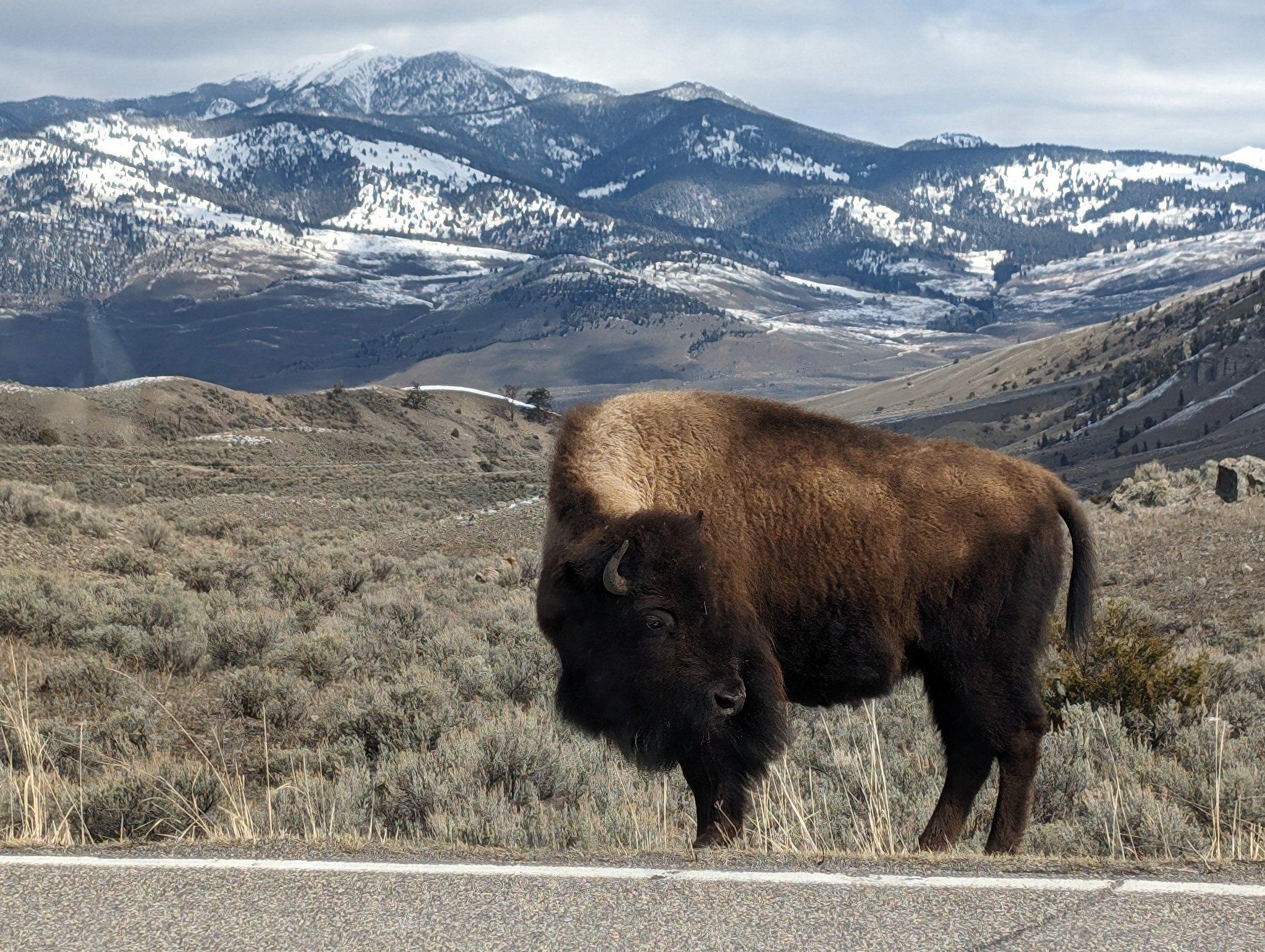
On March 1, 1872, Yellowstone became the world’s first National Park. It is one of 20 known super-volcanoes, contains nearly half of Earth’s geysers, and is home to the largest concentration of mammals in the contiguous United States. Yellowstone National Park forms the core of the Greater Yellowstone Ecosystem (GYE). On this trip, we will make our scientific contribution to the fascinating and distinctive GYE on this extraordinary EBC experience. Before the spring thaw, we will venture out from our cozy lodge and into the snowy landscape with snowshoes to see the park’s geologic features, observe wildlife, and collect data. We shall enjoy the solitude, beauty, and concentration of wildlife at this time of year that you cannot find during the bustling summer months.
As EPS scientific thinkers, we will use radio telemetry to track the park’s top five ungulate species, including bison and elk, and collect key information about herd demographics. We will also spend a morning observing Yellowstone’s wolves, learning the story of wolf reintroduction, and exploring how species interact to impact the entire ecosystem’s functioning. We stay in a comfortable lodge but will have long days outdoors with the opportunity to also explore the colored pools, mud pots, steam vents, and geysers that make Yellowstone so famous.
- Students and families should be aware that this experience includes:
-
- Extended time outdoors in cold, snowy conditions with potential exposure to wind and changing winter weather
-
- Active days involving snowshoeing, hiking, and wildlife observation in remote areas of Yellowstone National Park
-
- Early mornings and long field days collecting ecological data and participating in scientific observation
-
- The need for layered clothing, appropriate winter gear, and personal responsibility in managing comfort and safety
-
- Limited access to technology and cell service, emphasizing group connection and focus on the natural environment
-
- Encounters with wild animals observed from safe distances under supervision and established park guidelines